A flat tire always seems to happen at the worst time. With a little preparation and the right tools, you can handle the swap quickly and get back on the road safely.
Use this step-by-step guide for Columbia Heights roads and highways, and save the full repair or replacement for a proper service bay later.
Know When It’s Safe to Change the Tire
Pull over as soon as you feel the thump or see the TPMS warning, but choose safety first. Look for a wide shoulder, a parking lot, or a flat turnout away from traffic. Avoid soft ground, steep angles, and blind curves. Turn on hazard lights, set the parking brake, and place the car in Park or in first gear if it is a manual.
If traffic is heavy or the shoulder is narrow, calling roadside assistance is the safer choice. We would rather see a tow than a risky shoulder change.
What Tools You Should Have in the Car
- A true roadside kit prevents most frustrations. Your owner’s manual shows jack points and spare locations; the checklist below covers the rest.
- Vehicle jack rated for your car and a base plate or small board for soft shoulders
- Lug wrench that fits your lugs, plus a locking lug nut key if your wheels use one
- Inflated spare tire or space saver spare in good condition
- Wheel chocks or two wooden blocks to secure the opposite wheel
- Gloves, knee pad or towel, and a small flashlight or headlamp
- Tire pressure gauge and a compact inflator or canned sealant for temporary use
- Reflective triangle or flares to warn approaching drivers
Prepare the Vehicle Before Lifting
Loosen the lug nuts slightly while the flat tire is still on the ground. A quarter turn is enough. Breaking them loose before lifting prevents the wheel from spinning and reduces the force needed on the wrench. Place wheel chocks on the opposite side of the car to prevent rolling. Position the jack at the exact lift point shown in the manual.
A few inches off can bend pinch welds or damage underbody panels.
Lift Safely and Remove the Wheel
Raise the vehicle just enough for the flat tire to clear the ground by an inch. Remove the loosened lug nuts and set them in a safe spot so they do not roll away. Pull the wheel straight toward you. If it sticks, a gentle rock usually frees the corrosion on the hub.
Put the wheel under the car as an extra precaution in case the jack fails. Avoid crawling under the vehicle while it is only supported by the jack. A roadside jack is for lifting, not for working under the car.
Mount the Spare and Tighten Correctly
Align the spare with the studs and slide it onto the hub. Hand start each lug nut to prevent cross-threading. Snug the nuts in a star pattern so the wheel seats evenly. Lower the vehicle until the tire touches the ground and does not spin, then torque the lugs in a star pattern to secure the wheel.
If you do not have a torque wrench, firm and even pressure is the goal. We recommend rechecking the torque after a short drive once you are off the shoulder.
Drive Limits and TPMS Notes for Space Saver Spares
Compact spares are designed for short distances and reduced speeds. Most specify a maximum of 50 to 55 mph and a limited range to reach a shop.
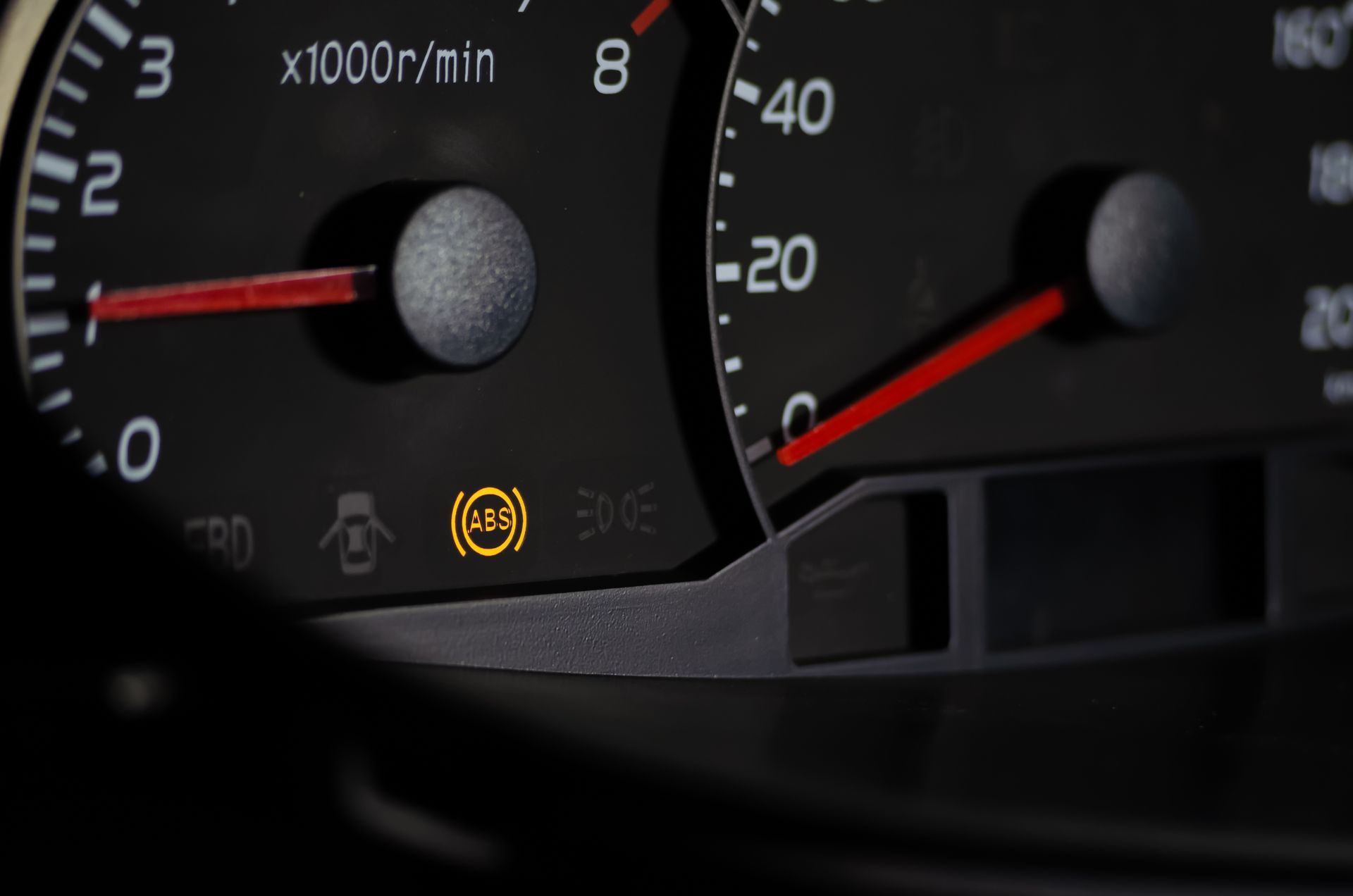
Because compact spares are usually narrower and have different rolling circumference, traction and ABS behavior can change slightly. TPMS lights may remain on until the original wheel is repaired and reinstalled, then the system will relearn during your next drive cycle.
Common Mistakes to Avoid on the Shoulder
Do not jack on sloped or soft ground if you can help it; the jack can shift. Never place the jack under a control arm, exhaust, or body panel that is not a rated lift point. Do not loosen lugs after the wheel is off the ground, since the wheel will spin and the vehicle can rock.
Avoid stacking tools or parts on the shoulder side of the car; keep everything on the safe side to reduce time near traffic. Finally, do not try to patch a sidewall cut with sealant. A sidewall injury needs a replacement tire.
Quick Practice at Home Builds Confidence
A ten-minute practice session in your driveway pays off when you are on the shoulder for real. Locate the jack points, fit the wrench, try the locking key, and confirm the spare’s pressure.
We recommend checking the spare every oil change so the next roadside swap does not start with a flat spare.
Get Professional Flat Tire Help in Columbia Heights with Wagamon Brothers
If you use a compact spare, stop by, and we will repair or replace the tire, torque the lugs correctly, reset TPMS, and inspect the wheel and hub for damage. Our team can also set you up with a proper roadside kit so the next surprise goes smoothly.
Schedule a visit at
Wagamon Brothers in Columbia Heights, MN and leave with a full size tire back on the car and your spare ready for the future.