A lot of engine problems start small and quiet, and the PCV valve is a perfect example. It is a cheap, simple part that most drivers never think about, yet it has a big influence on how clean your oil stays, how well your engine breathes, and whether gaskets start leaking before their time. When the PCV system is working properly, you barely notice it.
When it fails, you can end up chasing oil leaks, rough idle, and sludge buildup.
What the PCV Valve Does in a Modern Engine
PCV stands for Positive Crankcase Ventilation. Every time your engine runs, a little bit of combustion pressure slips past the piston rings into the crankcase. That “blow-by” gas carries fuel vapors, moisture, and acids that you do not want hanging out in your oil. The PCV system routes those vapors out of the crankcase and back into the intake so they can be burned instead of turning into sludge.
The PCV valve is the metering device in that system. It controls how much vapor flow is allowed at different engine loads. At idle it limits flow so the engine does not have a vacuum leak. At higher loads, it opens more to let extra vapors escape safely. When that little valve sticks, everything in that balance gets thrown off.
How the PCV System Protects Your Oil and Seals
By constantly pulling vapors out of the crankcase, the PCV system helps your oil stay cleaner for longer. Moisture that would otherwise condense in the crankcase gets drawn out and burned. Fuel vapors that would thin the oil are removed instead of building up. That is one reason engines with a healthy PCV system tend to stay cleaner inside when you remove the valve cover.
The system also helps manage pressure. If vapors cannot leave the crankcase, pressure can build and start pushing past seals and gaskets. That is when you may see oil weeping around the valve cover, front crank seal, or rear main. From our side of the wrench, we often check the PCV function any time we see multiple oil leaks appear before their time.
Common Symptoms of a Failing PCV Valve
A bad or restricted PCV valve can show up in several ways. Some of the more common signs include:
- Rough or unstable idle, sometimes with a check engine light for fuel trim or idle issues
- Increased oil consumption or blue smoke from the exhaust on acceleration
- Sludge or thick deposits under the oil cap or inside the valve cover
- Whistling, howling, or a strong vacuum when you pull the oil cap off with the engine running
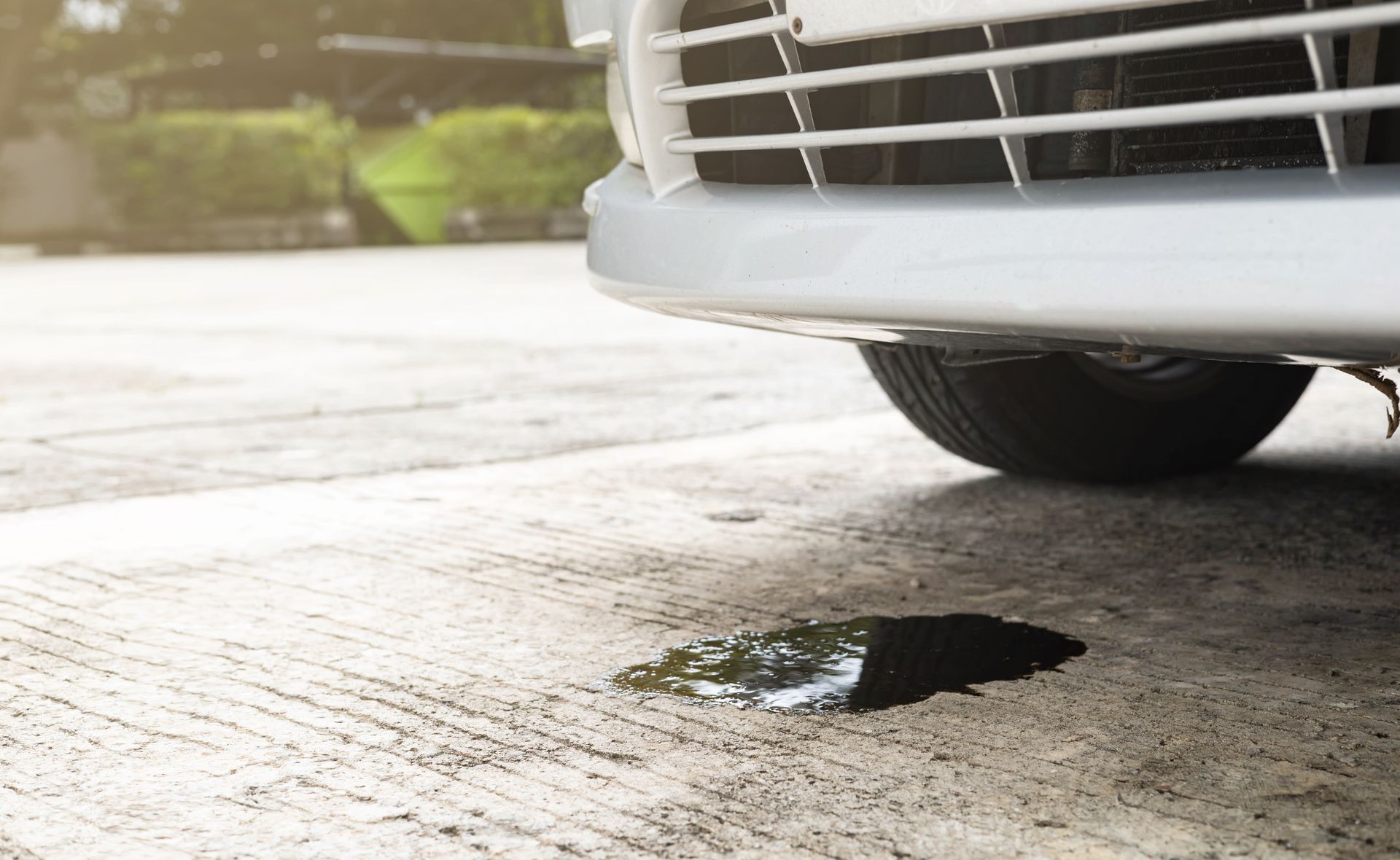
- Fresh oil leaks that seem to appear from several gaskets at once
None of these symptoms proves the PCV valve is the only issue, but they are strong hints that crankcase ventilation needs to be checked along with ignition and fuel.
Why Ignoring PCV Problems Can Get Expensive
Driving for months with a stuck or restricted PCV valve quietly wears on the rest of the engine. Extra moisture and fuel in the oil can speed up sludge formation, which in turn restricts small oil passages that feed camshafts and timing components. Crankcase pressure that never gets relieved may push oil past seals and onto the exhaust, subframe, or driveway.
On turbocharged engines, a bad PCV system can also affect boost control and put more stress on turbo seals. We have seen situations where a simple PCV issue turned into a bigger repair because it was left alone long enough to foul spark plugs, damage oxygen sensors, or plug up the catalytic converter with oily deposits.
Simple Checks Drivers Can Notice at Home
You do not have to tear the engine apart to spot early warning signs. With the engine fully warmed up and idling, carefully loosen the oil filler cap. A light vacuum and a faint change in idle is normal. A cap that is very hard to remove, or a strong hissing sound, may suggest the system is pulling too much vacuum.
It also helps to keep an eye on the oil cap and dipstick at every oil change. Thick, mayonnaise-like sludge under the cap or heavy varnish inside the valve cover is a sign that vapors are not being cleared as well as they should. If the engine has suddenly started using more oil between services, that is another reason to have the PCV system checked instead of assuming the engine is just “getting old.”
When to Have a Technician Inspect the PCV System
Any time you notice new oil leaks, a rough idle with no obvious cause, or strange crankcase vacuum behavior, it is smart to have the PCV system tested. A proper inspection goes beyond shaking the valve. We look at the hoses, the valve or orifice, and any built-in oil separators or baffles that can clog with age. On some engines the PCV function is integrated into a valve cover or housing, so guessing and throwing parts at it gets expensive fast.
We have seen plenty of vehicles where a focused diagnosis on the PCV system solved several complaints at once: idle issues, oil leaks, and oil consumption. Catching those problems while they are limited to a valve or hose is much cheaper than waiting until sludge and pressure have had years to work on the engine.
Get PCV Valve Service in Columbia Heights, MN with Wagamon Brothers
If you suspect your PCV valve is acting up, or you have been dealing with new oil leaks and rough idle, getting the system checked now can prevent bigger problems later. We can test crankcase ventilation, inspect related hoses and components, and replace worn parts with the correct pieces for your engine.
Schedule PCV valve service in Columbia Heights, MN with
Wagamon Brothers, and we will help your engine breathe easier and stay cleaner for the miles ahead.