DOT inspections fail for the same reason most roadside problems happen: small issues that were easy to catch get ignored until the wrong day. Commercial vehicles live a harder life than passenger cars, and the standards are stricter because the stakes are higher.
A clean pre-trip routine prevents a lot of headaches.
1. Brake Issues And Out-Of-Adjustment Components
Brake violations are at the top for a reason. Inspectors look closely at air brake performance, brake travel, and obvious hardware problems like cracked drums, worn pads, or leaking components. Out-of-adjustment brakes reduce stopping power and cause uneven braking, a major safety concern on loaded vehicles.
If your truck pulls during braking, takes longer to stop, or you notice hot smells after a route, do not wait. Brake wear moves fast on heavy rigs, and catching it early keeps you off the roadside and away from expensive secondary damage.
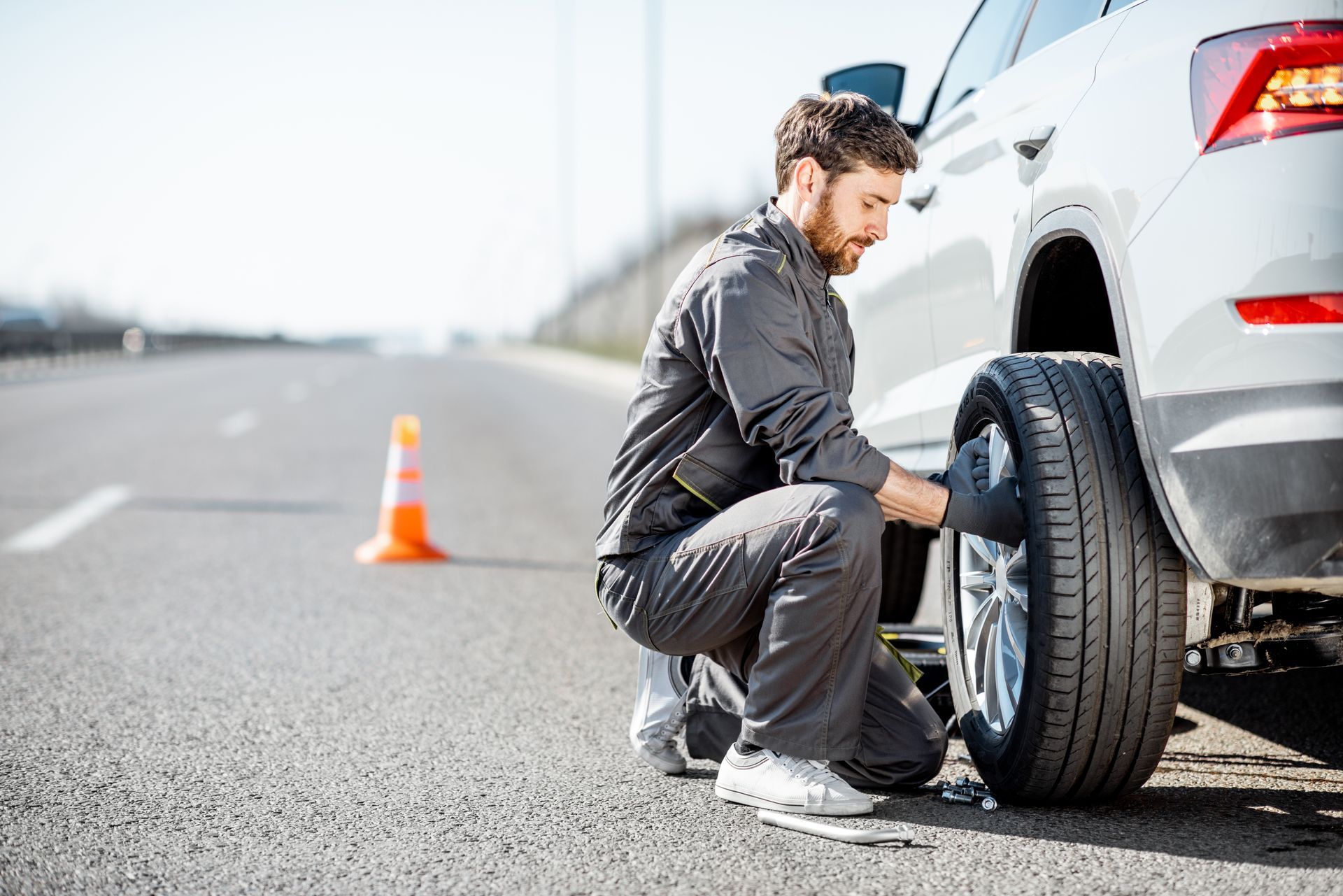
2. Tire Condition And Improper Inflation
Tires fail inspections for low tread, exposed cords, sidewall damage, and incorrect inflation. Uneven wear is also a big one because it can indicate alignment issues, bad suspension parts, or chronic underinflation. Inspectors look at tread depth, obvious damage, and whether tires are safe for the axle load.
This is where regular maintenance makes a visible difference. Daily pressure checks and quick tread scans catch the slow leaks and shoulder wear patterns before they become a violation. An inspection of wear patterns also helps you avoid repeating the same tire failure every few months.
3. Lighting And Electrical Problems
Lights are easy to overlook because the truck still runs, but inspectors don’t care that the engine starts if the lighting is wrong. Brake lights, turn signals, marker lights, and trailer lights are common failure points. Wiring corrosion, damaged connectors, and poor grounds are frequent causes, especially on trailers that live outdoors.
A quick walk-around test should be routine. If your lights flicker or cut in and out, fix it before an inspector finds it. Electrical faults rarely fix themselves, and they often get worse right when the weather turns wet.
4. Air Leaks And Compressor System Concerns
Air system problems can show up as slow pressure build, audible leaks, or moisture issues that affect valves and lines. Inspectors will listen for leaks and look for obvious hose damage or insecure routing. Air leaks are not just an inspection issue, they are a brake performance issue.
Moisture management matters too. If air tanks are not drained as recommended, water builds up and causes corrosion and freezing problems in cold weather. That can lead to stuck valves and unreliable air pressure control, which is exactly what inspections are designed to catch.
5. Suspension, Steering, And Frame-Related Defects
Loose steering components, worn bushings, cracked spring hardware, and broken mounts are common reasons inspectors write violations. Heavy loads and rough roads take a toll on these parts, and small looseness turns into big play quickly. Inspectors look for obvious movement, damaged components, and unsafe wear.
Drivers often notice this as vague steering, clunks, or a truck that feels unstable over bumps. If the steering wheel has more play than it used to, treat it as a sign, not a quirk. A focused inspection can find worn ends, weak joints, or mounting issues before they become a safety problem.
6. Fluid Leaks And Underbody Safety Concerns
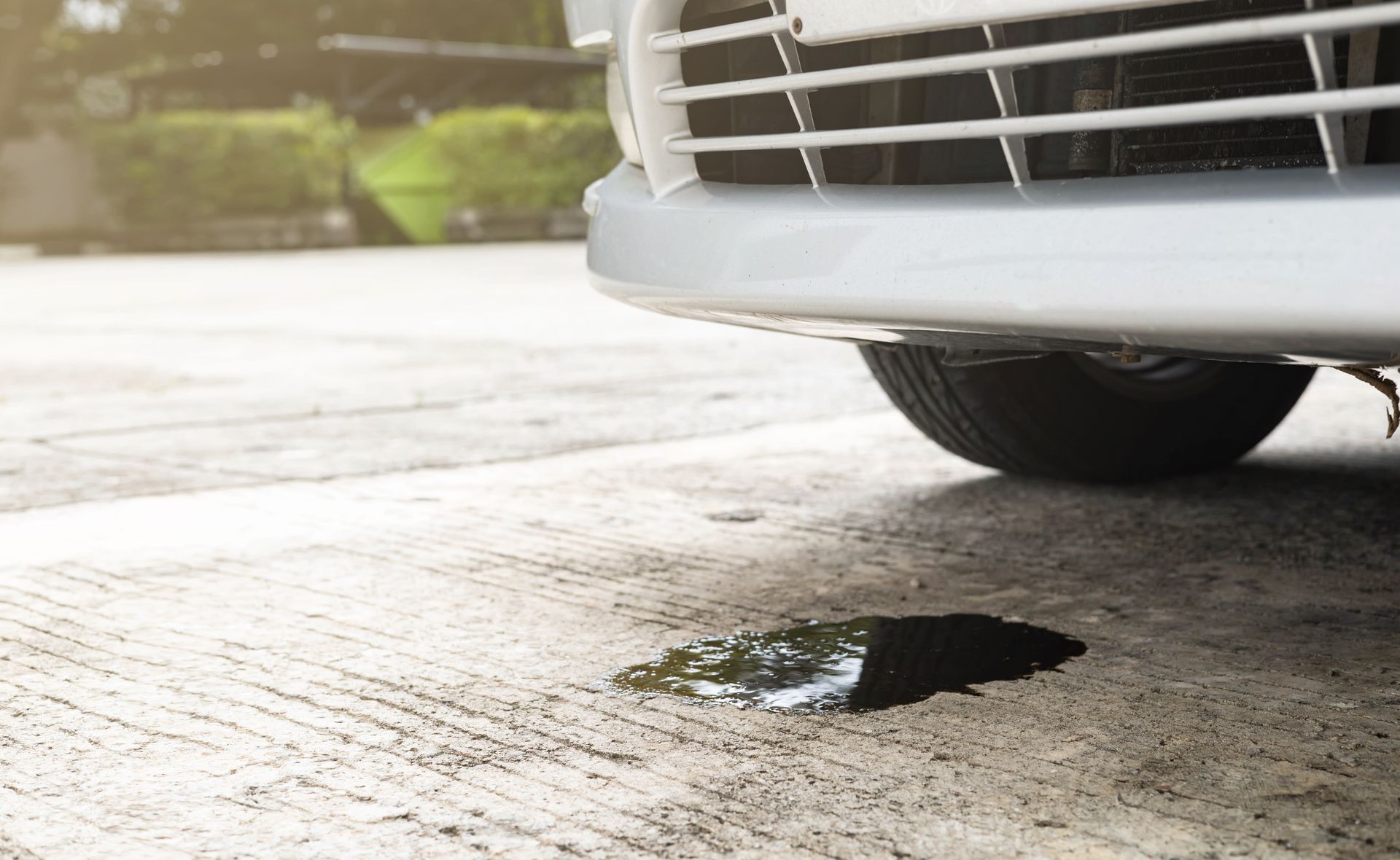
Leaks are a fast way to fail, especially when they involve fuel, coolant, or brake-related fluids. Inspectors look for active dripping, wet components that indicate current leakage, and obvious contamination on parts that should be dry. Oil leaks can also be flagged when they are excessive and create a safety concern.
Leaks also attract dirt, which can hide new problems and make future inspections harder. Cleaning and checking for fresh seepage is part of a smart commercial routine, and it helps you separate old stains from active leaks that need immediate repair.
Get DOT Inspection Help In Columbia Heights, MN, With Wagamon Brothers
If you are preparing for a DOT inspection or you’ve had repeat violations for brake, tire, light, or air system issues, the next step is to check the truck the way an inspector would and correct the problems before they become a roadside failure. Schedule service with Wagamon Brothers in Columbia Heights, MN, and we’ll inspect the common failure points, document what needs attention, and help you stay compliant.
You’ll roll into your next inspection with far fewer surprises.