There are few driving problems more frustrating than this one. You are moving along just fine, the air conditioning feels cold, the cabin is comfortable, and then you hit a red light. Suddenly the air starts feeling warmer. Maybe not fully hot, but definitely not cold enough. Then the moment traffic starts moving again, the A/C seems to come back to life.
At our shop, this is one of the most common warm-weather complaints we hear. And honestly, it makes sense that it drives people crazy, because it feels inconsistent. The A/C is not totally dead, so it is easy to wonder whether the problem is serious or just a weird quirk. The truth is that this pattern usually points to a real issue, and the stoplight is giving you a very useful clue.
When air conditioning works better at speed than it does at idle, the system is often struggling with heat removal or airflow when the vehicle is not moving. That may sound technical, but the basic idea is simple: while you are driving, air naturally flows through the front of the vehicle and helps the A/C system cool properly. When you stop, the system loses that natural airflow and has to rely much more on its own components to keep performance up.
If one of those components is weak, the stoplight is often where the problem shows itself.
Why A/C Usually Feels Better While The Car Is Moving
Your air conditioning system depends on several parts working together, but one of the biggest factors is how well the system can get rid of heat. The condenser, which sits near the front of the vehicle, needs airflow to release that heat. When you are driving down the road, air naturally passes through the condenser and helps the system do its job.
At a stop, that natural airflow drops off sharply. Now the system has to rely much more on the cooling fan and the overall efficiency of the A/C system itself. If everything is healthy, you may not notice much difference. But if something is weak, idle conditions can expose it fast. That is why “cold while driving, weak at a stop” is such a classic symptom.
A Weak Cooling Fan Is One Of The Most Common Causes
If we had to name one of the biggest culprits, it would be the cooling fan or radiator fan system. When the vehicle is sitting still, the fan has to pull or push air through the condenser so heat can still be removed. If the fan motor is weak, if it is not switching to the right speed, or if the fan is not coming on when it should, the A/C will often start losing cooling power at idle.
Then, as soon as the car starts moving again, outside air rushes through the front of the vehicle, and the A/C feels better. That pattern is a huge clue.
This is one of those problems that can seem minor at first, but if the cooling fan is not working properly, it can affect more than just comfort. On some vehicles, it can also contribute to engine cooling problems in traffic.
Low Refrigerant Can Make The Problem More Noticeable At Stops
Low refrigerant is another very common reason A/C performance drops at red lights. If the refrigerant charge is not where it should be, the system may still cool somewhat while driving, especially with extra airflow helping it along. But once the car is sitting still, that reduced efficiency becomes more obvious.
In many cases, low refrigerant means there is a leak somewhere in the system. A/C systems do not normally “use up” refrigerant the way a car uses fuel. So if the charge is low enough to weaken cooling, the next question is why.
This is one reason we do not recommend treating the issue like it just needs a quick top-off without checking for the underlying cause. A low charge may be part of the symptom, but it is often not the full story.
A Dirty Or Blocked Condenser Can Also Be The Problem
The condenser sits in an area where it collects road grime, bugs, leaves, and debris over time. If airflow through that condenser gets restricted, the A/C system may struggle more when the car is not moving. While driving, the extra airflow can partly make up for it. At idle, it cannot.
This is another reason the problem often shows up as “fine on the road, weak at the light.” The system is right on the edge, and idle conditions push it past what it can handle comfortably.
A dirty condenser is easy to overlook because most drivers are not checking that area closely. But it can make a noticeable difference in how well the A/C performs, especially in hot weather.
Compressor Or Pressure Problems May Be Part Of It Too
Sometimes the issue is tied more directly to the compressor or the way the system is managing pressure. If the compressor is getting weak or not performing consistently at idle, the air may not stay as cold when engine speed drops. Once you accelerate again, compressor performance may improve enough that the A/C seems to recover.
Pressure-related issues can also come from overcharge, undercharge, or restrictions in the system. This is one reason diagnosis matters so much. Several different faults can create very similar stoplight symptoms, and the right repair depends on knowing which one is actually present.
From the driver’s seat, it all feels like “the A/C gets warm when I stop.” From our side, there are several possible reasons that can cause exactly that.
Engine Heat And Summer Traffic Make It Worse
One reason this problem feels so miserable is that it often happens in the worst possible conditions. You are stopped in traffic, it is hot outside, the sun is coming through the windshield, the road is radiating heat, and the engine bay is already warm. That combination makes any A/C weakness feel much more dramatic.
The system is being asked to cool a hot cabin while the vehicle is no longer helping itself with natural airflow. So even a small weakness becomes much more obvious.
This is especially rough for drivers with kids, pets, or backseat passengers, because the rear of the cabin may already be cooling less effectively than the front.
It Could Also Be An Airflow Or Blend Door Issue
Not every stoplight A/C complaint is purely about refrigerant or condenser cooling. In some cases, the system may have an airflow or blend door problem that becomes more noticeable at idle. If airflow is already weak because of a clogged cabin air filter or an HVAC door issue, the system may seem barely adequate while driving and clearly inadequate when stopped.
This does not always create the same classic symptom pattern, but it can contribute. That is why we look at the full system instead of assuming one cause based on one clue.
Common Signs That Go Along With This Problem
When drivers describe this issue, they often mention a few other details too. These can help narrow down the cause:
- The A/C cools well on the highway, but gets warmer in traffic
- Airflow is fine, but the air temperature changes at stops
- The problem is worse on very hot days
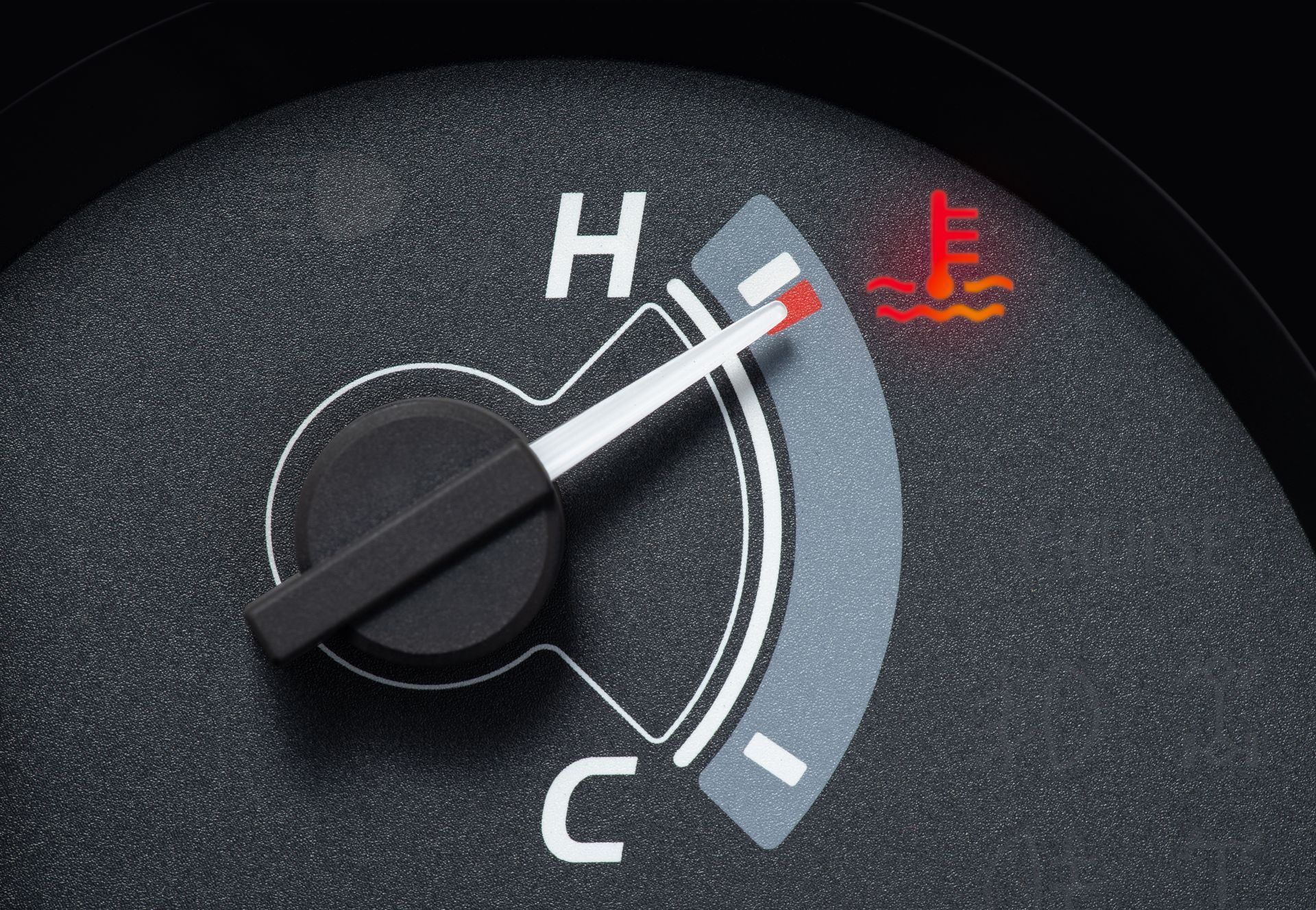
- The engine temperature may rise a little more than usual in traffic
- The cooling comes back quickly once the car starts moving
Those patterns tell us a lot. They point strongly toward a system that is struggling under low-airflow, high-heat conditions.
Why You Should Not Ignore It
A/C problems that show up at red lights usually do not fix themselves. In fact, they often get worse as the weather gets hotter. A fan that is weak now may fail completely later. A low refrigerant condition may continue dropping. A condenser that is partly blocked will not clean itself. The longer the issue is left alone, the more likely it becomes that the A/C goes from inconsistent to fully disappointing.
And beyond comfort, some of the causes can overlap with other vehicle cooling concerns, which makes early diagnosis even more important.
If your A/C blows cold while driving but gets weak or warm when you stop, bring your vehicle to Wagamon Brothers in Columbia Heights, MN. We can inspect the fan operation, refrigerant charge, condenser condition, and the full A/C system to find out exactly why the cooling drops at idle.