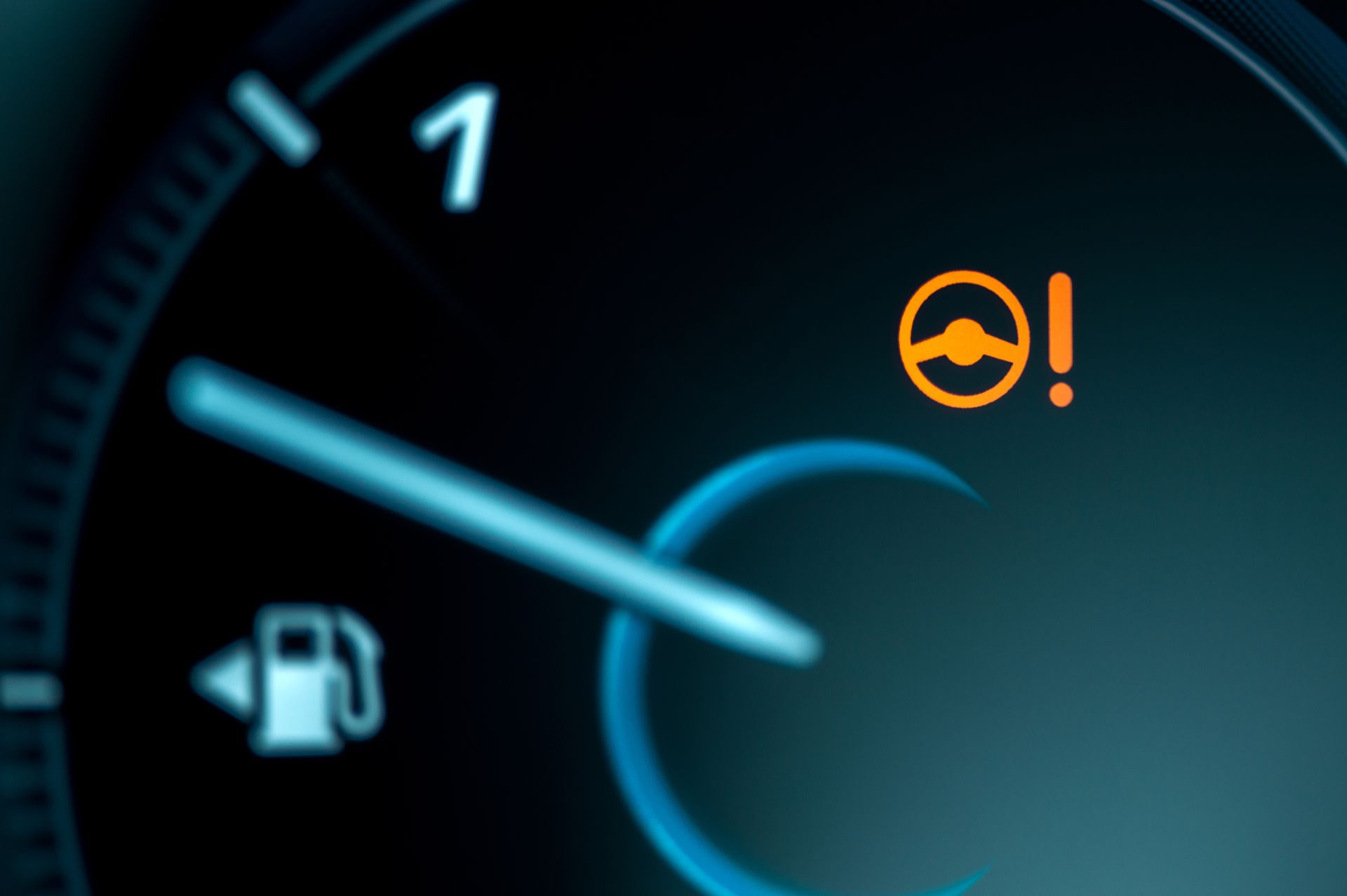
A lot of drivers notice the same strange pattern at some point. The car seems perfectly fine while cruising down the highway, but the moment traffic slows to a crawl, the temperature gauge starts creeping up. Then once the road opens back up and the car gets moving again, the gauge drops closer to normal. At our shop, this is one of the most common cooling system complaints we hear during hot weather.
The reason it gets people’s attention so fast is because it feels inconsistent. If the car is overheating, why does it only seem to happen in traffic. That pattern actually tells us a lot. In many cases, it points to a cooling system problem that becomes much more noticeable when the car is not getting enough airflow at low speed or while idling.
The good news is that this is a very recognizable symptom pattern. The bad news is that it still needs attention. A temperature gauge that rises in stop and go traffic is not something to ignore just because it settles back down later. It usually means the cooling system is losing its ability to keep up under the hardest conditions.
Why Traffic Changes Everything
Your engine creates heat every time it runs. The cooling system is what keeps that heat under control by moving coolant through the engine and radiator so it can release that heat into the air. When the car is driving at normal speed, outside air naturally flows through the radiator and helps the system do its job.
That natural airflow matters a lot.
When you are stuck in traffic, idling at a red light, or inching along in summer congestion, the car loses most of that built-in airflow. Now the cooling system has to work harder using the radiator fan and the overall health of the system itself. If anything in that system is weak, clogged, leaking, or failing, traffic is where the problem often shows up first.
That is why a car can feel fine on the highway but start running hot when it is barely moving.
A Bad Cooling Fan Is One Of The Biggest Causes
If we had to name one of the most common reasons a temperature gauge rises in traffic, it would be a cooling fan issue. The radiator fan is there to pull air through the radiator when the car is not moving fast enough to do it on its own. If that fan is weak, not turning on, or not running at the right speed, the cooling system loses a huge amount of help exactly when it needs it most.
This is a classic traffic-only overheating pattern.
The car may run at a normal temperature while driving because highway airflow is doing the fan’s job for it. But once the vehicle slows down, the weak fan can no longer keep temperatures in check.
At our shop, when a customer tells us the temperature rises mostly in traffic, fan operation is one of the first things we want to inspect.
Low Coolant Can Make Traffic Heat Much Worse
Low coolant is another very common cause. If the coolant level has dropped because of a leak or poor maintenance, the system may still manage okay during easier driving. But once traffic, heat, and idling put extra demand on it, the shortage becomes much more obvious.
Coolant is what carries heat away from the engine. If there is not enough of it, the system simply cannot move heat as effectively as it should. That is especially noticeable when the car is sitting in one place with limited airflow.
A few clues that low coolant may be part of the problem include:
- A sweet smell after driving
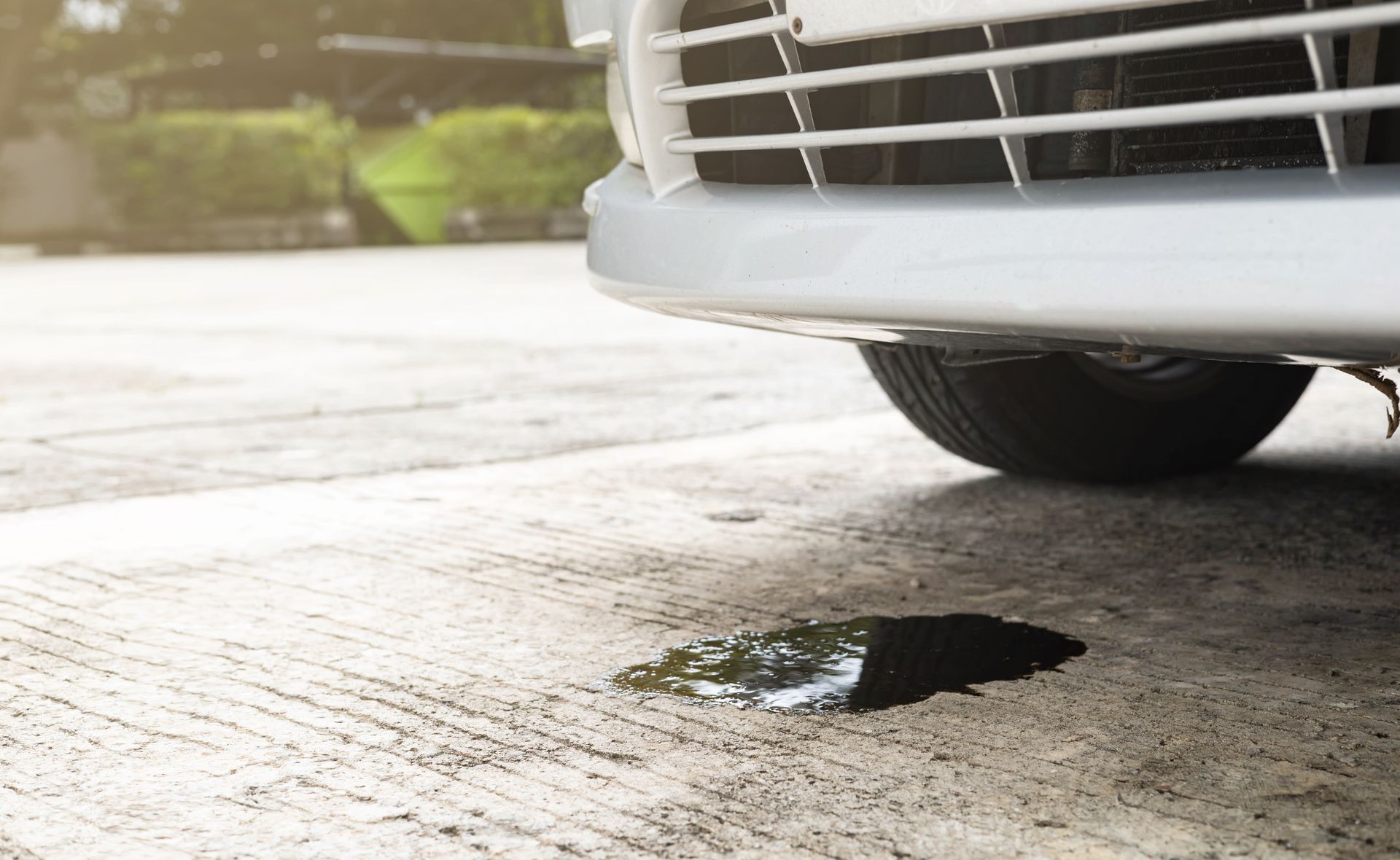
- Coolant spots where the car is parked
- Heat from the vents changing unexpectedly
- The gauge rising more often on hotter days
If the temperature gauge is rising in traffic and coolant is low, that is not just a traffic problem. It is a cooling system problem that traffic is exposing.
The Thermostat May Be Getting Stuck
The thermostat controls coolant flow through the engine and radiator. When it works properly, it helps the engine warm up and then stay in the right temperature range. When it starts sticking, coolant flow may become inconsistent.
A thermostat that is not opening fully can create a situation where the cooling system sort of keeps up under lighter conditions, then struggles badly when more heat builds up in traffic. That can make the gauge climb in stop and go conditions, then drop again once the car gets moving and cooling improves.
This is another reason the symptom can feel so inconsistent. The thermostat may not fail the same way every minute of every drive. It may stick more under certain temperatures or loads.
The Radiator May Not Be Dissipating Heat Well
A radiator can only cool the engine effectively if coolant flows through it properly and air can move across it the way it should. If the radiator is partially clogged inside or blocked by dirt, bugs, and debris on the outside, its cooling efficiency drops.
That may not always show up right away during normal driving. But traffic is where reduced efficiency becomes much more obvious. A radiator that is just barely keeping up on the highway may not be able to handle hot idle conditions at all.
This is especially common in older vehicles or in cars that have seen years of heat, corrosion, and grime buildup without much cooling system attention.
The Water Pump Could Be Weak
The water pump is responsible for circulating coolant through the engine and radiator. If it starts failing, coolant movement drops, and heat begins to build more easily.
In some cases, a weak water pump can create symptoms that seem to show up more at lower speeds or during extended idling because the whole system is already operating under tougher conditions. A failing pump may also come with coolant leaks, noise, or overheating that gradually becomes more frequent.
At our shop, we look at the water pump as part of the full picture any time a car shows repeated overheating or rising temperature issues.
Air In The Cooling System Can Also Cause Trouble
If air gets trapped in the cooling system, coolant may not circulate the way it should. That can create hot spots and uneven cooling performance. Sometimes this happens after cooling system repairs if the system was not bled properly. Other times, it happens because a leak allows air to enter the system.
Air in the system can make overheating feel unpredictable, and traffic often brings that out more clearly.
What You Should Do If The Gauge Starts Climbing
If your temperature gauge is rising in traffic, do not ignore it and hope it stays just short of the danger zone. The best move is to reduce stress on the engine and pay attention to how high the gauge is climbing.
A few immediate steps can help:
- Turn off the A/C
- Turn the heater on full hot if needed
- Watch the temperature gauge closely
- Pull over if the gauge keeps rising
- Shut the engine off if it moves into an overheating range
Turning off the A/C reduces extra load on the engine. Turning the heater on can help pull some heat away from the engine in a pinch. It is uncomfortable, but it may help buy you some time to reach a safe stopping point.
Why You Should Let Wagamon Brothers Handle It
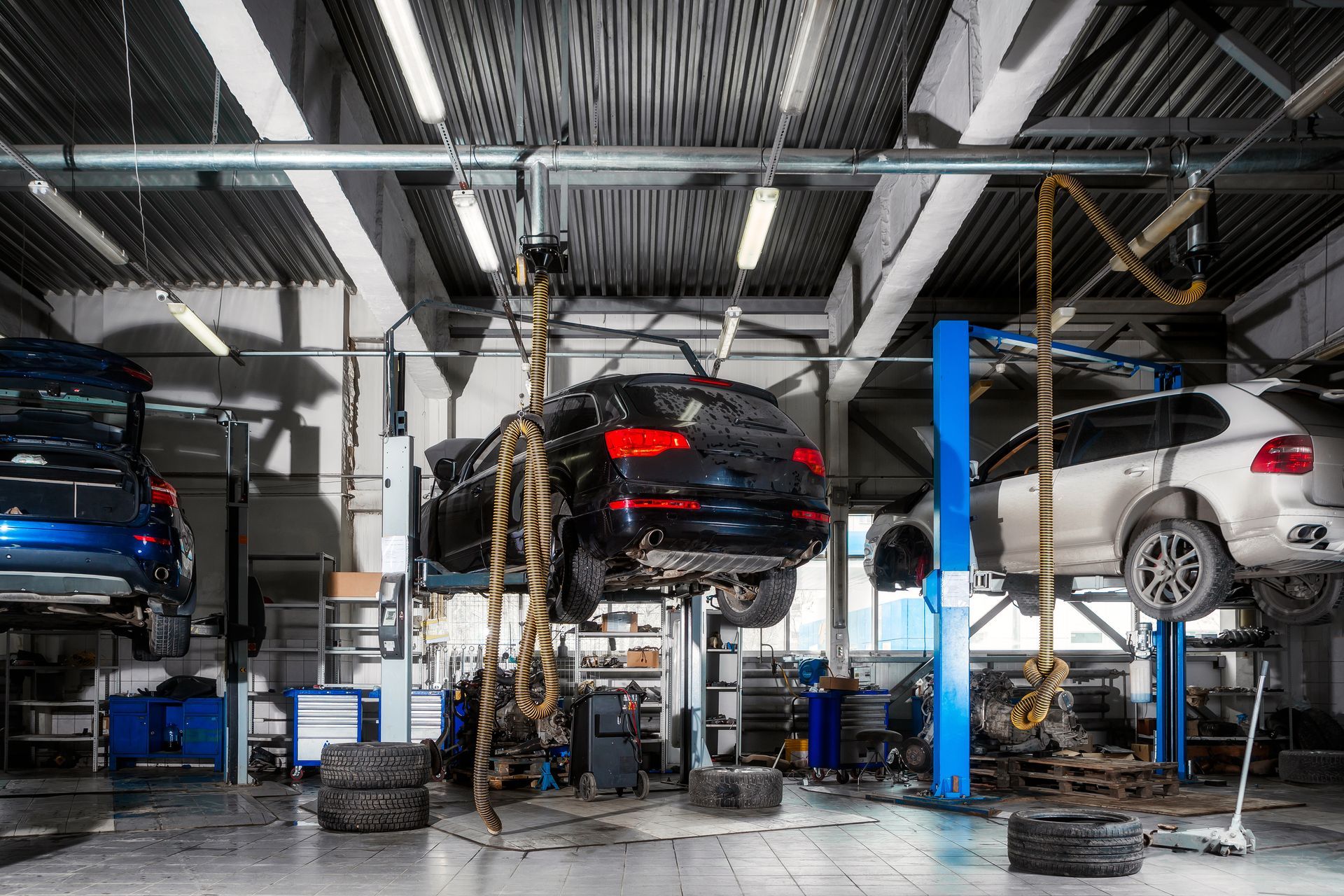
If your temperature gauge rises in stop and go traffic, bring your vehicle to Wagamon Brothers in Columbia Heights, MN before it turns into a full overheating problem. We can inspect the cooling fan, coolant level, radiator, thermostat, water pump, and the rest of the system to find the real cause and help keep your engine protected.
Call us today or stop by to schedule a cooling system inspection.