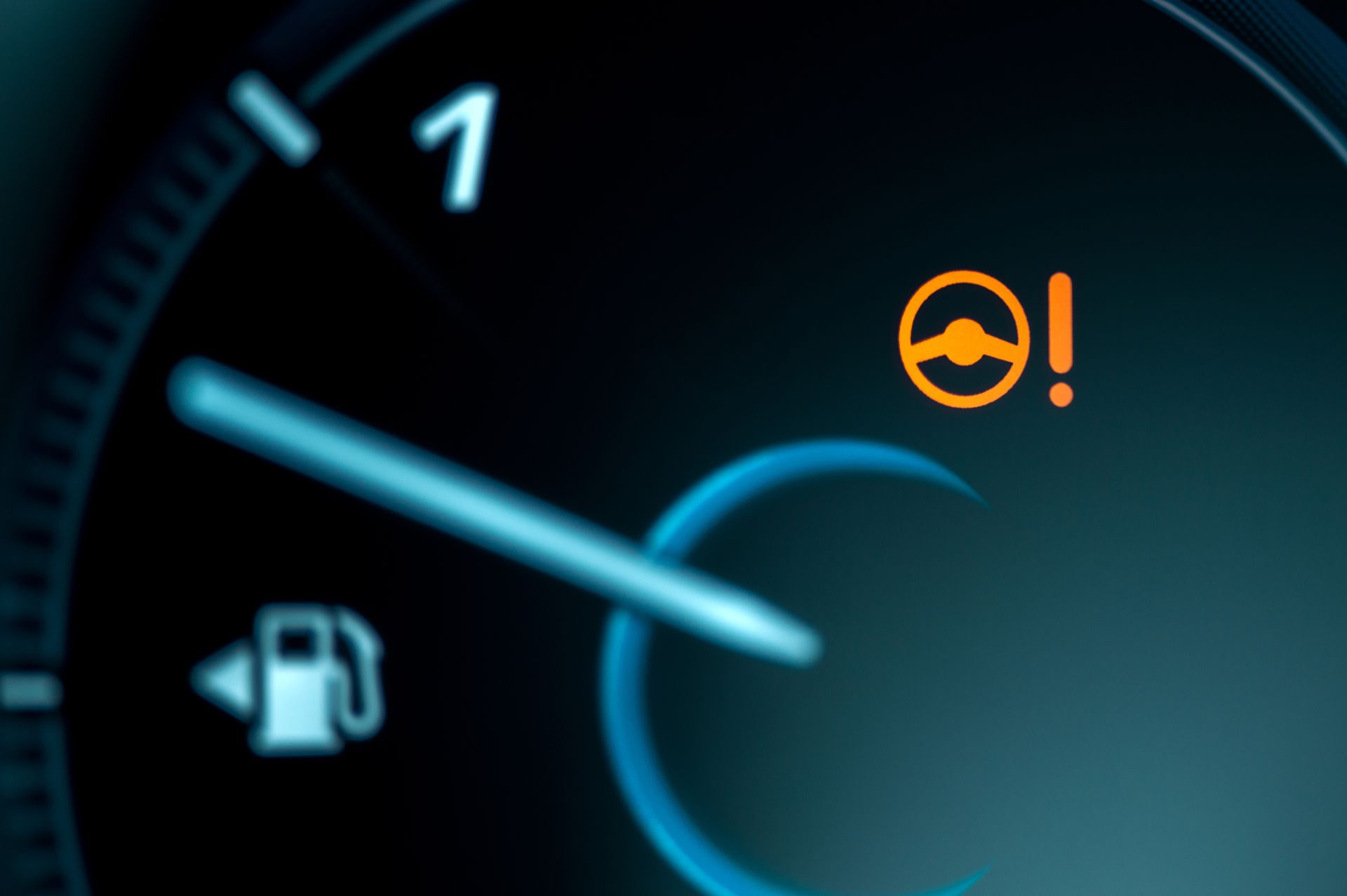
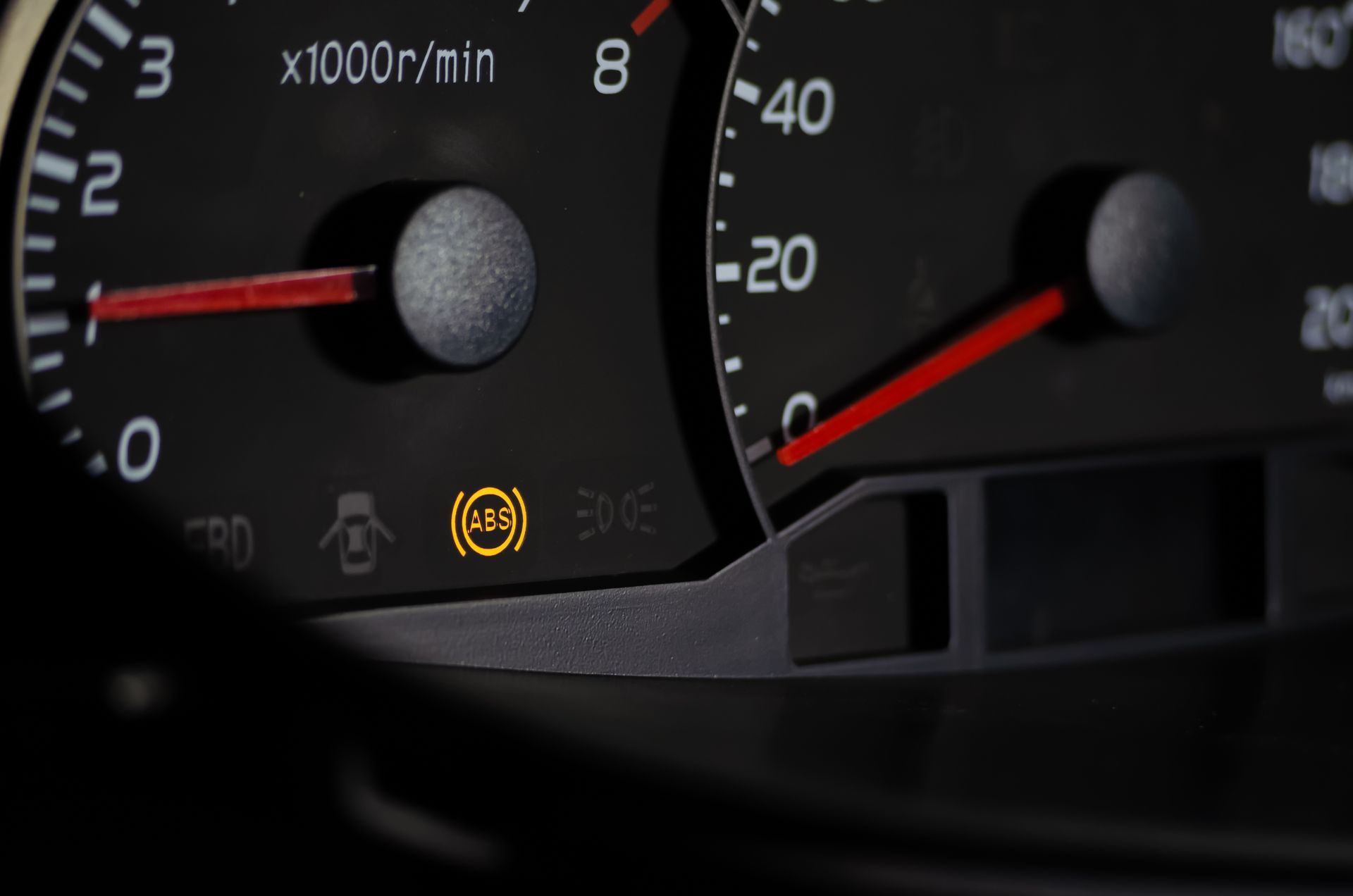
An airbag warning light can be unsettling because the vehicle may still drive completely normally. The engine starts, the brakes work, and there may be no obvious sign that anything is wrong other than a light or message on the dashboard.
The restraint system is different from most mechanical systems because many of its components spend years waiting for the moment they may be needed. When the vehicle detects a fault, technicians must check sensors, wiring, switches, modules, and safety devices that all communicate with one another. That makes proper testing much more involved than simply clearing a warning light.
What the SRS System Includes
SRS stands for Supplemental Restraint System. It commonly includes the airbags, crash sensors, seat belt pretensioners, airbag control module, wiring, connectors, warning indicators, and other components that help manage occupant protection during certain collisions.
Depending on the vehicle, the system may also monitor seat position, passenger occupancy, seat belt buckle status, steering wheel components, and side-impact sensors. Because these parts are electronically connected, a fault in one area can trigger the airbag warning even if the airbags have never deployed.
The First Step Is Reading SRS Fault Codes
A professional scan tool that can communicate with the restraint system is usually one of the first tools used during testing. Basic engine code readers often cannot access airbag or SRS modules.
The stored fault code helps identify which circuit or system area needs attention. It may point toward a seat belt pretensioner, crash sensor, steering wheel circuit, passenger occupancy system, or another component. The code is a starting point, not automatic proof that the named part needs replacement.
Technicians Check Whether the Fault Is Current or Stored
Some SRS faults are present all the time, while others appear intermittently. A loose connector under a seat, for example, may lose contact only when the seat is moved into a certain position.
Technicians review whether the code is active, intermittent, or stored from an earlier event. That distinction can help determine whether the problem can be reproduced immediately or whether wiring and connectors need to be checked for movement-related faults.
Seat Belt Pretensioners Are Part of the Testing
Many modern seat belts use pretensioners that tighten the belt during certain collisions. These devices work together with the airbag system and are monitored by the SRS control module.
A pretensioner circuit fault can turn on the airbag warning light even though the belt still appears to buckle and retract normally. Technicians may inspect the connector, wiring, pretensioner assembly, and stored SRS information to determine why the system sees a problem.
After a collision, deployed pretensioners may require replacement as part of the vehicle manufacturer's repair procedure.
Steering Wheel Circuits Need Special Attention
The driver's airbag is mounted in the steering wheel, which still has to turn freely in both directions. A component commonly known as a clock spring keeps electrical connections intact as the steering wheel rotates.
Wear or damage in this assembly can interrupt circuits for the driver's airbag, horn, steering-wheel controls, or other functions depending on the vehicle. If an airbag warning appears along with a horn or steering-wheel button problem, the steering column area may deserve closer inspection.
Passenger Occupancy Sensors Can Cause SRS Warnings
Many vehicles use sensors in or around the front passenger seat to determine whether someone is sitting there and, in some cases, how the passenger airbag should be managed.
A fault in the occupancy system can trigger an SRS warning or cause the passenger airbag indicator to behave unexpectedly. Wiring under the seat, seat-mounted sensors, connectors, and the occupancy detection module may all be checked during diagnostic testing.
This is one reason objects, spilled liquids, damaged seat wiring, or previous seat repairs can sometimes be connected with an airbag warning.
Crash Sensors and Their Wiring Are Checked Too
Crash or impact sensors help the restraint control module recognize certain collision forces. Their locations vary by vehicle and may include areas around the front structure, doors, pillars, or other parts of the body.
A damaged sensor, corroded connector, wiring fault, or previous collision repair can cause problems even if the sensor has not physically deployed an airbag. Technicians inspect the relevant circuit and compare scan information with the manufacturer's test procedure before deciding whether replacement is necessary.
Battery Voltage Can Influence the SRS System
The airbag system depends on stable electrical power like other vehicle electronics. Low battery voltage, poor connections, or voltage interruptions can sometimes contribute to stored restraint-system faults.
That does not mean every SRS warning can be solved by replacing the battery. Technicians check battery and charging when the fault history suggests a voltage concern, especially if several electronic systems began showing warnings around the same time.
Previous Collision Repairs Can Affect SRS Operation
A vehicle that has been in a collision may have more than one restraint-system component requiring attention. Depending on the impact, airbags, pretensioners, sensors, wiring, control modules, and mounting areas can all be involved.
Simply replacing a deployed airbag may not complete the repair. The technician needs to review which components the manufacturer specifies for replacement or inspection after deployment and whether programming, initialization, or additional repair procedures are required.
Why SRS Wiring Is Tested Carefully
Airbag circuits are safety-critical and cannot be handled exactly like ordinary lighting or accessory wiring. Technicians follow specific procedures when checking resistance, power, connectors, and circuit integrity.
Common areas of concern can include:
- Connectors under the seats
- Steering column wiring
- Seat belt pretensioner circuits
- Crash sensor wiring
- Passenger occupancy system wiring
- Damaged harnesses after collision repair
- Corroded or loose terminals
The exact testing method depends on the vehicle because improper probing or testing techniques can damage restraint components or create unnecessary risk.
Clearing the Airbag Light Is Not the Same as Repairing the Problem
A scan tool may be able to erase certain stored SRS codes, but if the underlying fault remains, the warning will usually return.
More importantly, a warning light means the system has recognized a condition that may affect how part of the restraint system operates. Turning the light off without correcting the cause provides no real benefit. The repair should be followed by another scan and system check to confirm the fault no longer returns.
Get Airbag and SRS Diagnostic Service in Columbia Heights, MN, With Wagamon Brothers
Wagamon Brothers in Columbia Heights, MN, can perform diagnostic testing when an airbag or SRS warning appears and check related sensors, pretensioners, wiring, connectors, steering wheel circuits, and restraint-system modules.
If your airbag light is on or a restraint warning appeared after a collision, battery issue, or seat repair,
contact us to schedule an inspection.