Mileage gets most of the attention when people shop for a used car. A 65,000-mile car sounds safer than one with 125,000 miles, and sometimes it is. But we’ve inspected plenty of lower-mileage vehicles that spent years with overdue oil changes, cheap tires, short trips, and repairs put off until something finally stopped working.
The condition of the car tells you how those miles were treated. A well-kept higher-mileage vehicle can be a much better buy than one with fewer miles and a long trail of neglect. Before buying, look past the number on the dashboard and pay attention to what the car is showing you.
1. The Tires Tell Several Different Stories
Don’t just check whether the tires have tread left. Look across the full width of each tire, including the inner edges that are harder to see. Heavy wear on one shoulder can point toward alignment or suspension problems. Cupped tread can show up with worn shocks, loose suspension parts, or balance issues.
Four different tire brands can tell a story too. It doesn’t automatically mean the car is bad, but mismatched bargain tires replaced one at a time can suggest maintenance was handled only when something became unavoidable. Check the tire dates as well. Low mileage doesn’t make an old, cracked tire safe.
2. The Engine Oil Looks Like It Has Been Ignored
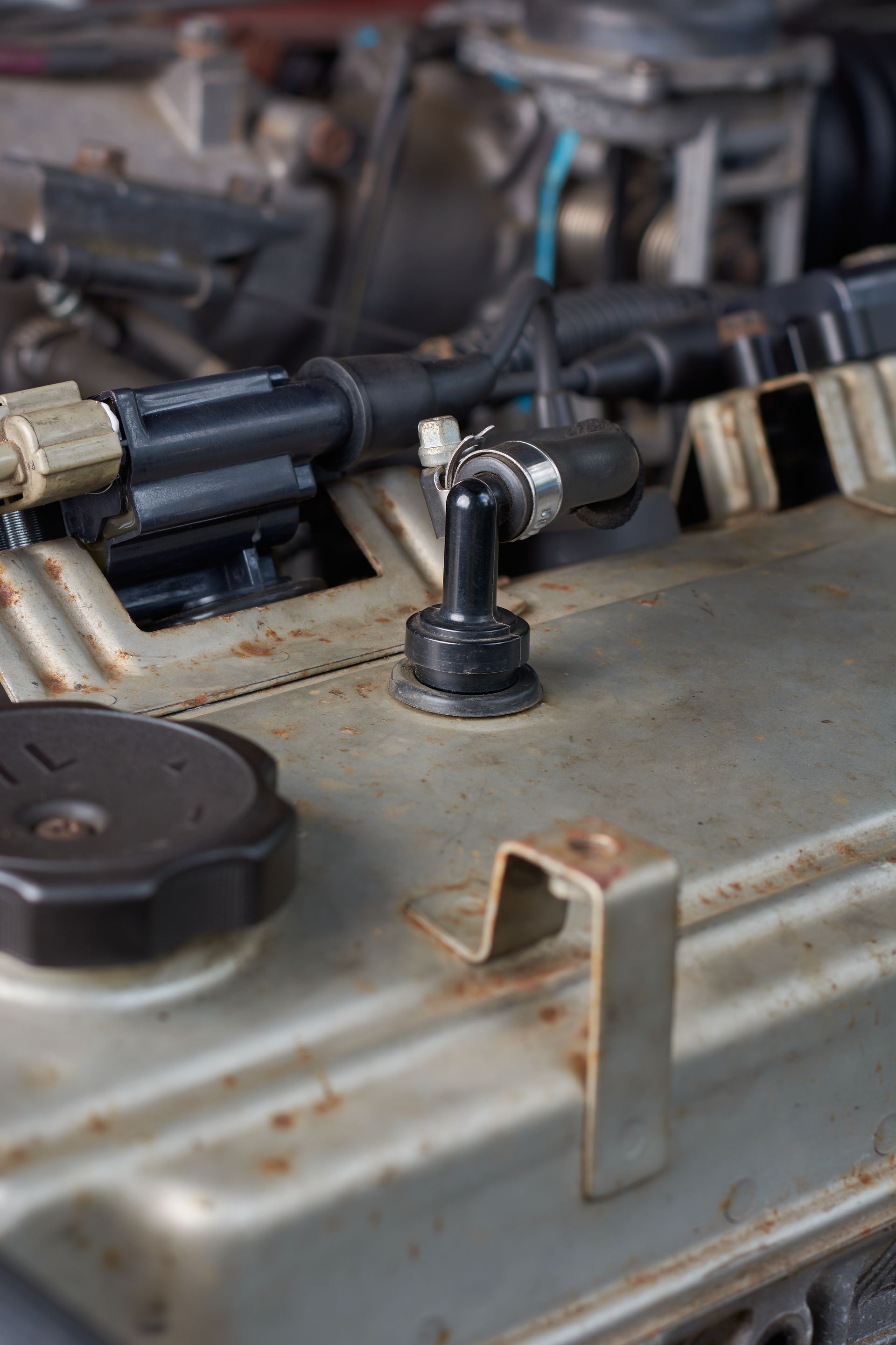
A dipstick won’t show the engine’s full service history, but it can raise questions. Very low oil, thick deposits under the oil cap, or an obvious burnt smell deserve a closer look. Fresh oil on the day a car is listed for sale doesn’t prove it received regular maintenance before that.
We also look around the valve cover, oil pan, timing cover, and other common leak areas. A small seep on an older engine isn’t unusual. Several active leaks, a nearly empty dipstick, and oil covering the underside suggest the owner may have spent more time adding fluid than fixing the reason it was disappearing.
3. The Interior Wear Does Not Match the Mileage
A car with moderate mileage should show some use. What gets our attention is wear that seems far beyond what the odometer suggests. A badly worn driver’s seat bolster, polished steering wheel, sagging pedals, broken switches, and loose door hardware can indicate years of heavy use.
None of those details proves the mileage is wrong. A delivery vehicle or short-trip commuter can accumulate tremendous wear without traveling huge distances. That distinction is useful because thousands of short trips can be harder on starters, batteries, brakes, engine oil, and other components than steady highway miles.
4. Several Warning Lights Come On or Have Been Recently Cleared
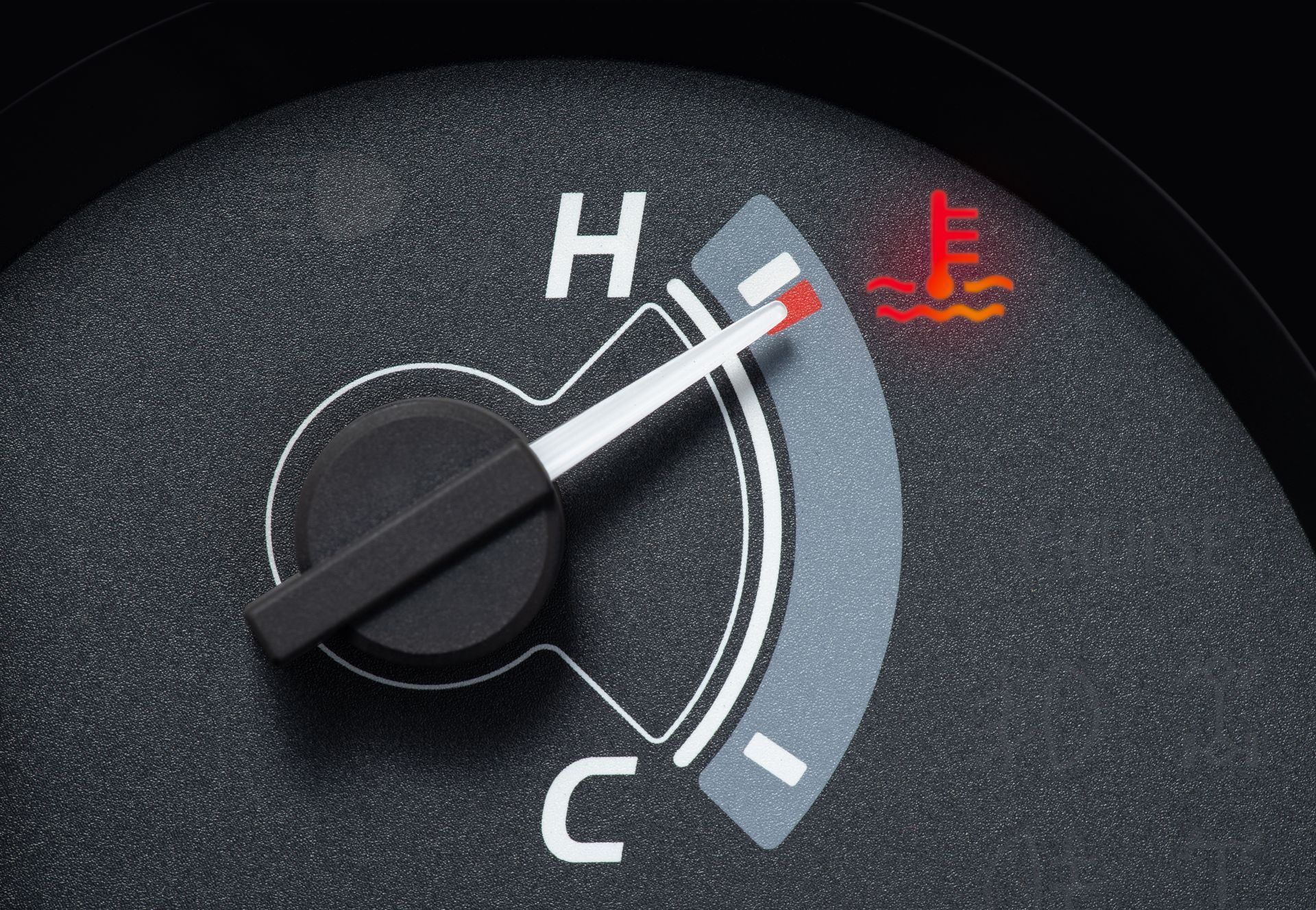
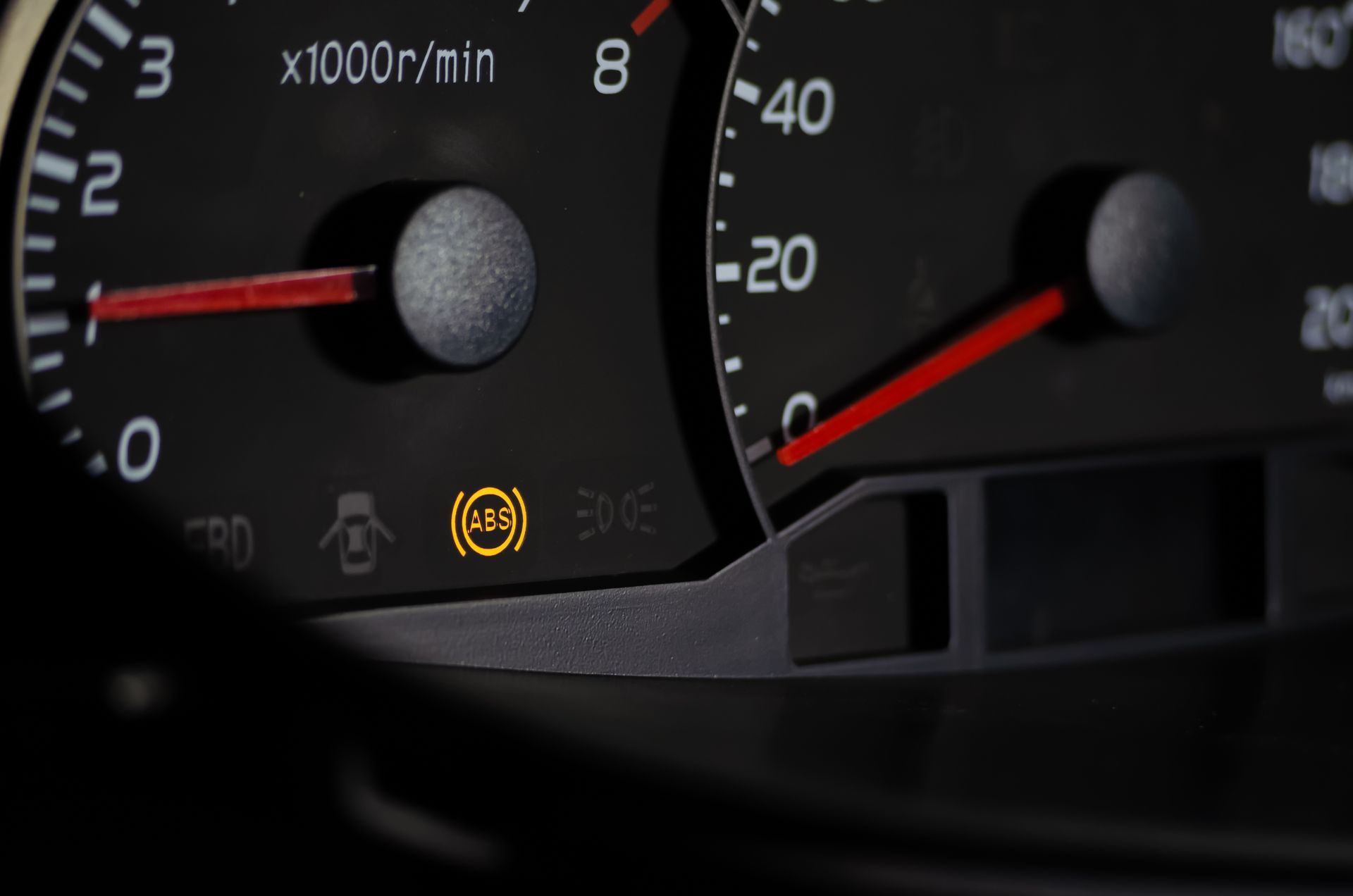
Turn the key on before starting the engine and watch the dashboard. The warning lights should illuminate during the system check and then go out as appropriate after startup. A light that never appears could deserve attention just as much as one that stays on.
A scan can also reveal stored or pending faults even when the dashboard currently looks clean. If the seller says the battery was just disconnected or replaced, we want to know why. Clearing codes can turn off a check engine light temporarily, but it doesn’t repair a misfire, emissions fault, sensor problem, or transmission concern.
5. The Fluids Show a Pattern of Deferred Service
One neglected fluid doesn’t condemn a used car. Several neglected fluids start to form a pattern. Low or contaminated coolant, brake fluid that hasn’t been serviced in years, and transmission fluid with a burnt smell all deserve context.
Fluid level matters just as much as appearance. If a reservoir is low, we want to know where the fluid went. Repeatedly topping off coolant, engine oil, or power steering fluid can hide a leak for quite a while. During an inspection, those small clues help us decide whether we’re looking at routine aging or years of postponed repairs.
6. The Car Has Too Many New Parts in One Area
New parts sound positive, and they can be. But a cluster of recent parts can also mean somebody was chasing a problem without finding the cause. A new battery, alternator, and starter on the same car makes us curious about what starting or charging complaint led to all three.
The same applies to suspension and engine work. One new control arm next to several badly worn bushings suggests the car may have been repaired one failure at a time. Ask for receipts. Good documentation can turn suspicious-looking repair history into a perfectly reasonable explanation.
7. The Road Test Reveals Problems the Photos Never Could
A used car can photograph beautifully and still drive poorly. Start it from the cold if possible. Listen for rattles during the first few seconds, notice how quickly the transmission engages, and see whether the idle settles down normally. Then drive long enough for the engine and transmission to reach operating temperature.
Pay attention to steering corrections, brake vibration, clunks over smaller bumps, hesitation under acceleration, and noises that change when you turn. Some problems only appear hot or under load. A ten-minute drive around the block can miss exactly the concern you’ll notice every morning after you buy it.
Get Pre-Purchase Inspection In Columbia Heights, MN, With Wagamon Brothers
If a used car looks good on paper but you want to know how it's actually been maintained, Wagamon Brothers in Columbia Heights, MN, can check the fluids, tires, brakes, suspension, drivetrain, warning systems, and other signs of neglect.